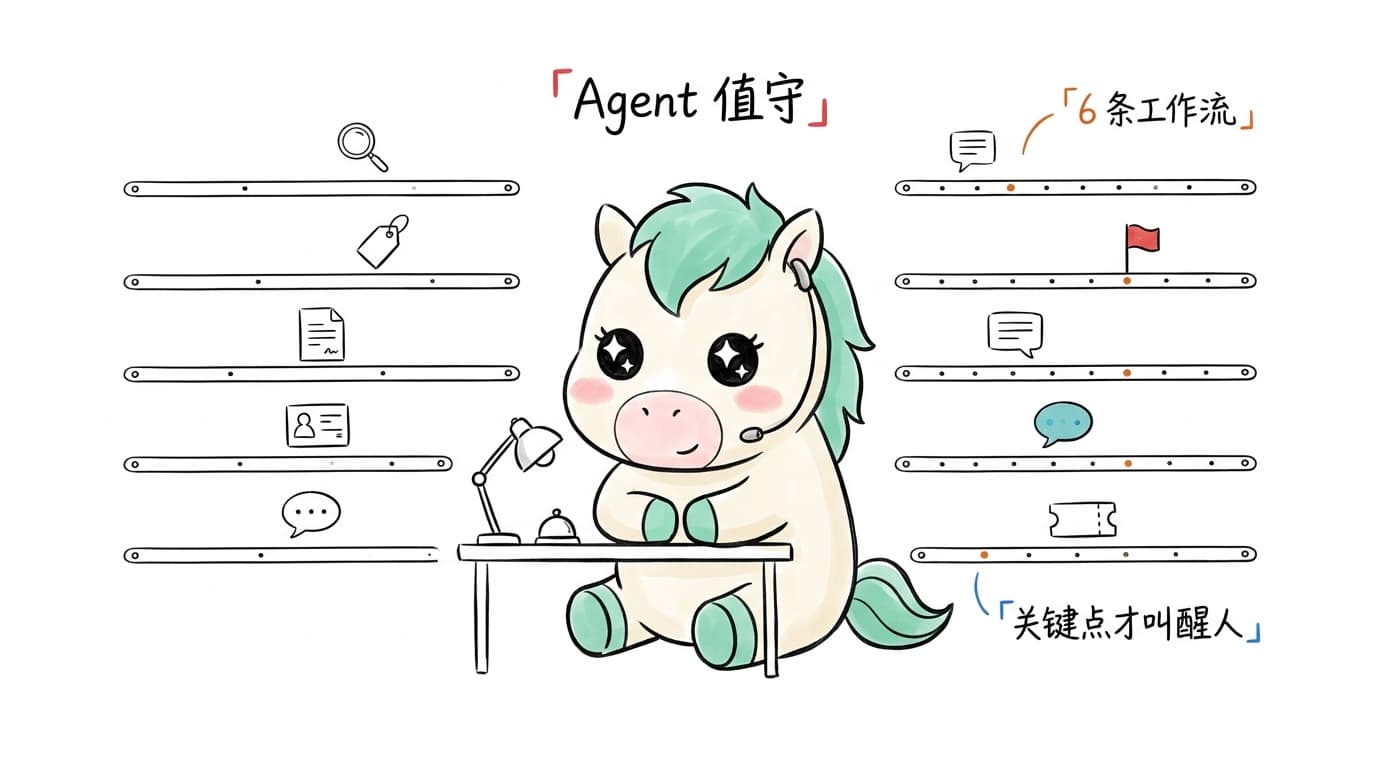
The biggest shift in 2026 isn't a smarter model, it's that enterprises are now willing to hand an entire continuously running workflow, not just a one-off question, over to an AI agent to watch. Whether it's a large company operating under an Enterprise Sovereign AI mandate or a small medium business where one person wears several hats, this kind of automation is moving from novelty to standard practice. Here are six of the most common, and most practical, autonomous workflow AI scenarios in production today.
These six scenarios aren't singled out because they're the most technically advanced, they're singled out because they share one trait: the underlying task is repetitive and frequent enough to justify an agent standing watch over it long-term, yet it still isn't something that can be reduced to a single fixed rule and left alone, so it can't skip human judgment entirely. Understanding that shared trait matters more than memorizing the six names themselves.
1. AI competitor monitoring
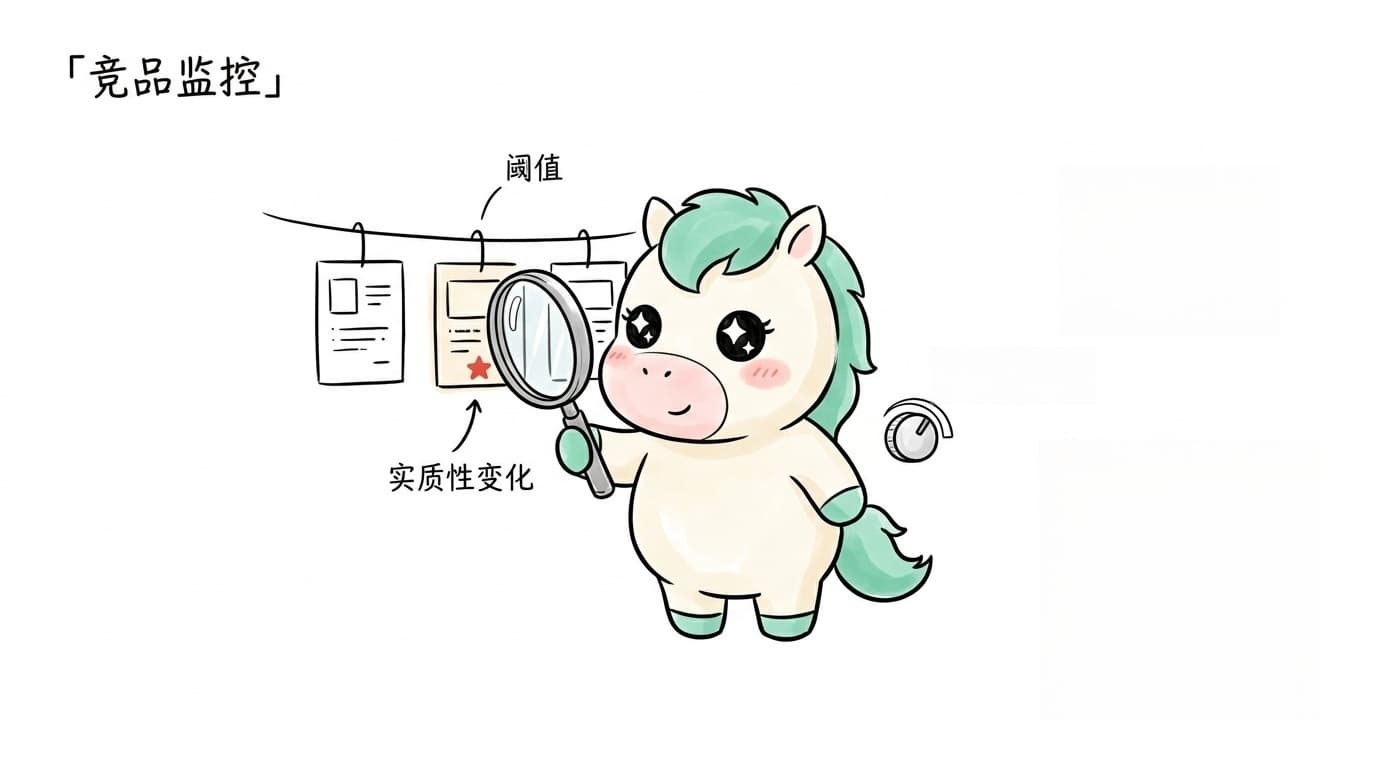
A research agent scrapes target competitors' websites, pricing pages, and product changelogs on a schedule, generating a summary only when something substantive actually changes, rather than sending a pointless daily report. The value of this kind of AI research agent isn't that it reads faster than a human, it's that it can keep watch around the clock on something most people don't have the bandwidth to sustain long-term.
What actually determines how useful this kind of agent is usually isn't its scraping ability, it's how finely the rule for what counts as substantive is defined. Set the threshold too loose, and a lead gets dozens of meaningless alerts a day and quickly mutes the notifications. Set it too tight, and genuinely important changes slip through. The better approach is spending a week or two observing how often competitors actually change before calibrating the threshold, rather than expecting full accuracy on day one.
2. AI price monitoring
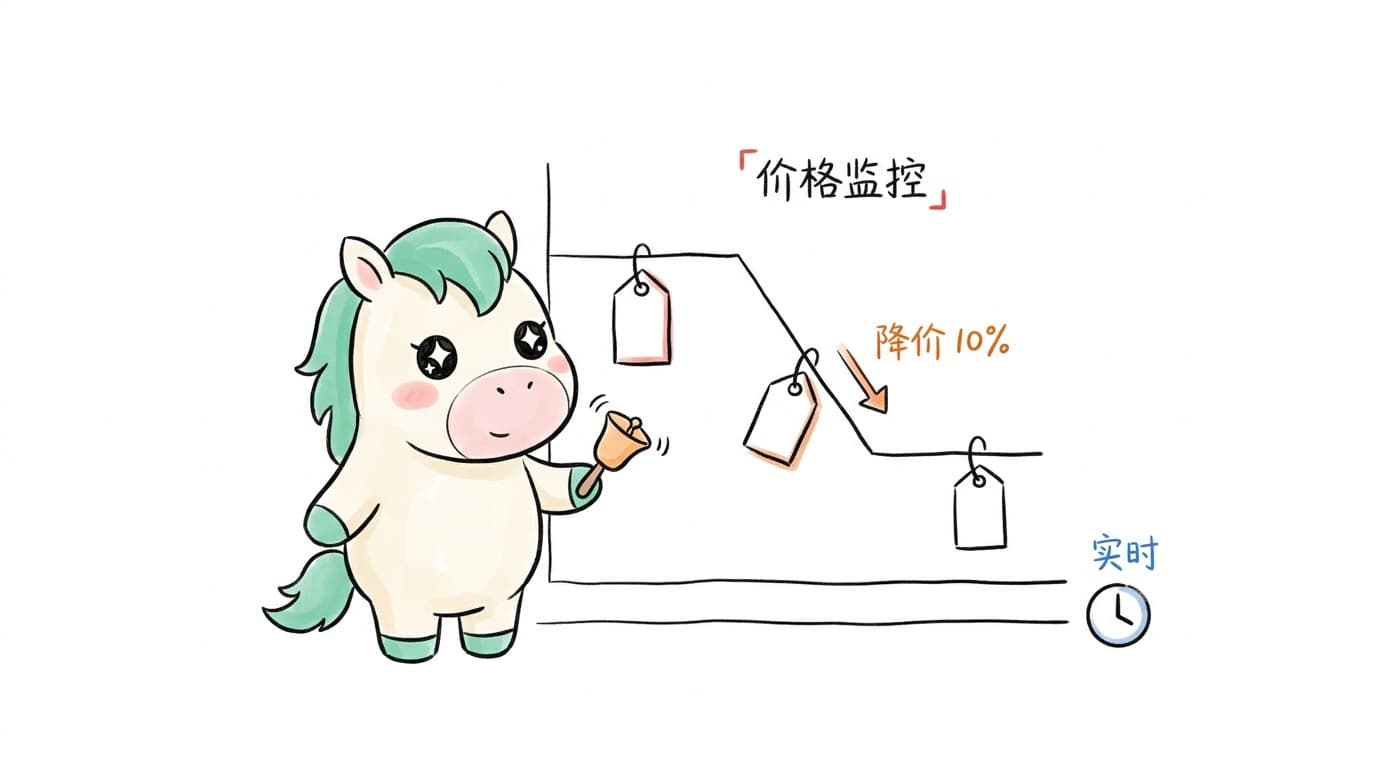
E-commerce and retail were among the first industries to put this kind of automation into production. An agent continuously tracks price movement for both your own products and competitors' across multiple channels, firing an alert the moment a preset threshold triggers, say a competitor suddenly drops price by more than 10 percent, so a person can adjust strategy right away. This category of task is naturally suited to automation because it demands real-time responsiveness but very little creativity.
Competitor monitoring, price monitoring, contract review, document analysis, supplier research, and social media automation. These six categories are where enterprises are concentrating their autonomous workflow AI deployments today. What they share is letting an agent run in the background for extended periods and only interrupting a human at the decision points that matter.
3. AI contract review automation
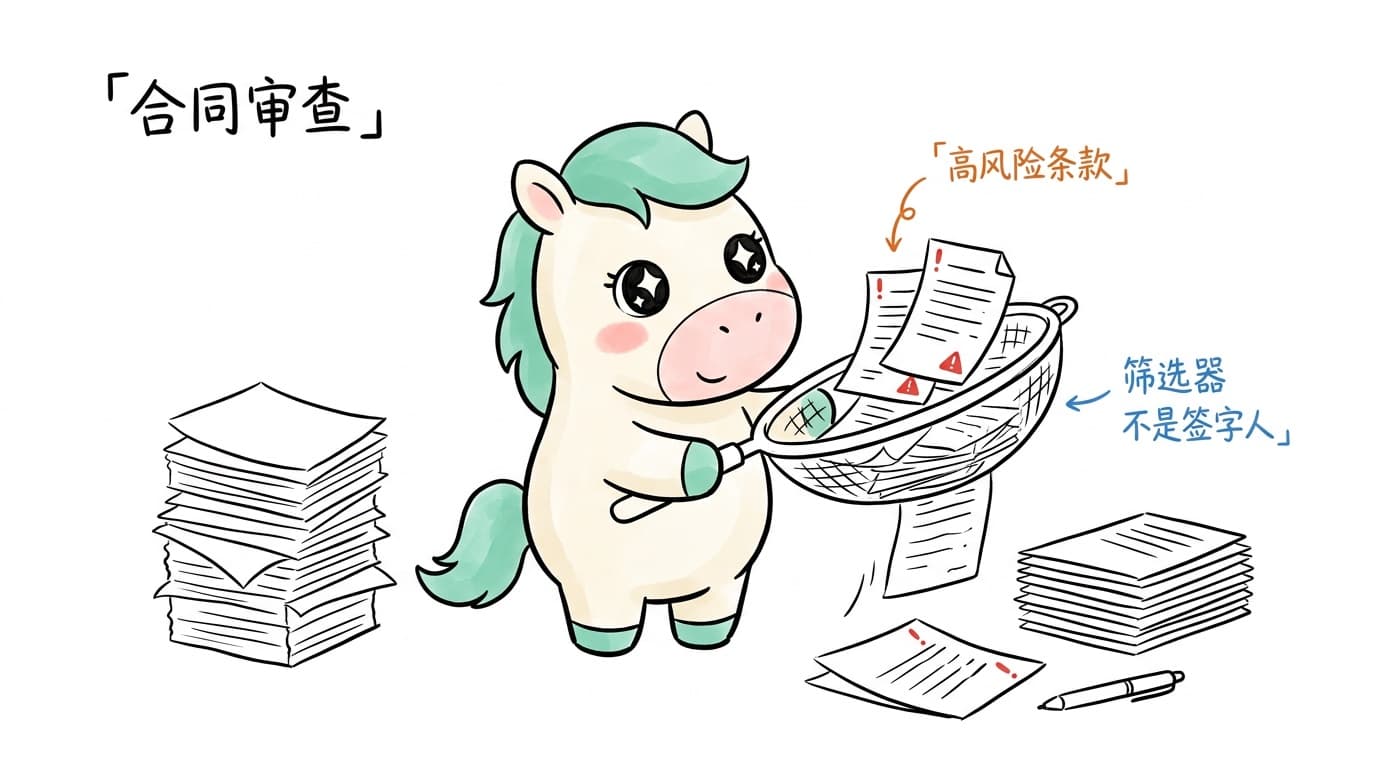
An AI document analysis agent batch-scans dozens of contracts, automatically extracting key clauses and flagging deviations from a standard template, surfacing only the genuinely high-risk clauses for a legal or business lead to review and sign off on. This kind of work used to depend entirely on reading every document by hand, which was painfully slow, and after automation, human effort concentrates only on the small slice the agent actually flags as needing judgment. It's one of the fastest-moving automation use cases in the Legal industry today.
It's worth stressing that this kind of agent should be positioned as a filter, not a signer. Its output is a prioritized list of risks, not a final opinion, and the responsibility for the actual call should always stay with a person. Drawing that line clearly preserves the efficiency gains from automation without leaving an enterprise unable to identify who's accountable when something actually goes wrong.
4. AI supplier research
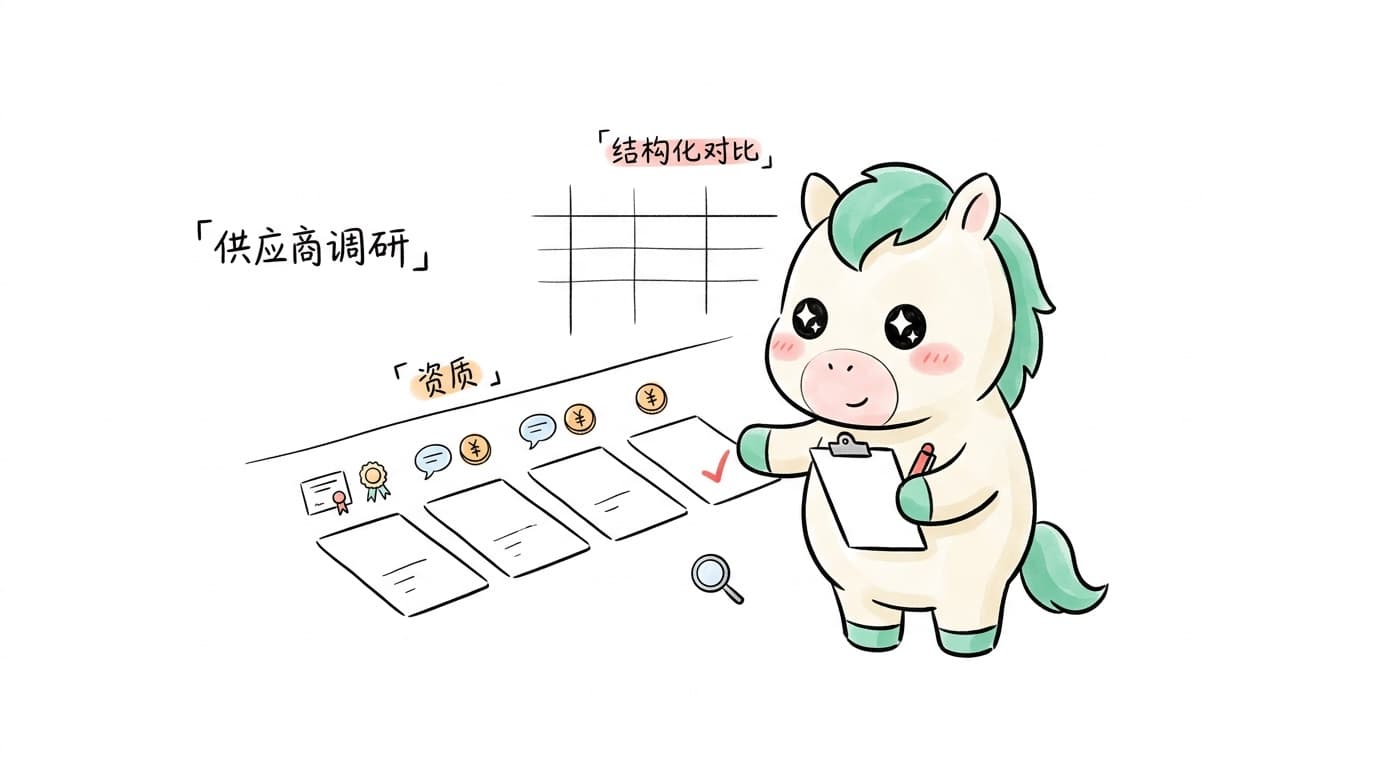
Procurement teams use agents to automatically gather potential suppliers' qualifications, past collaboration records, public negative press, and price ranges, generating a structured comparison table that dramatically compresses the research cycle between drafting a candidate list and entering negotiations. This kind of task has information scattered across many public channels, tedious to compile by hand but not requiring much creative judgment, which makes it a natural fit for an agent to handle the first pass.
5. AI social media automation
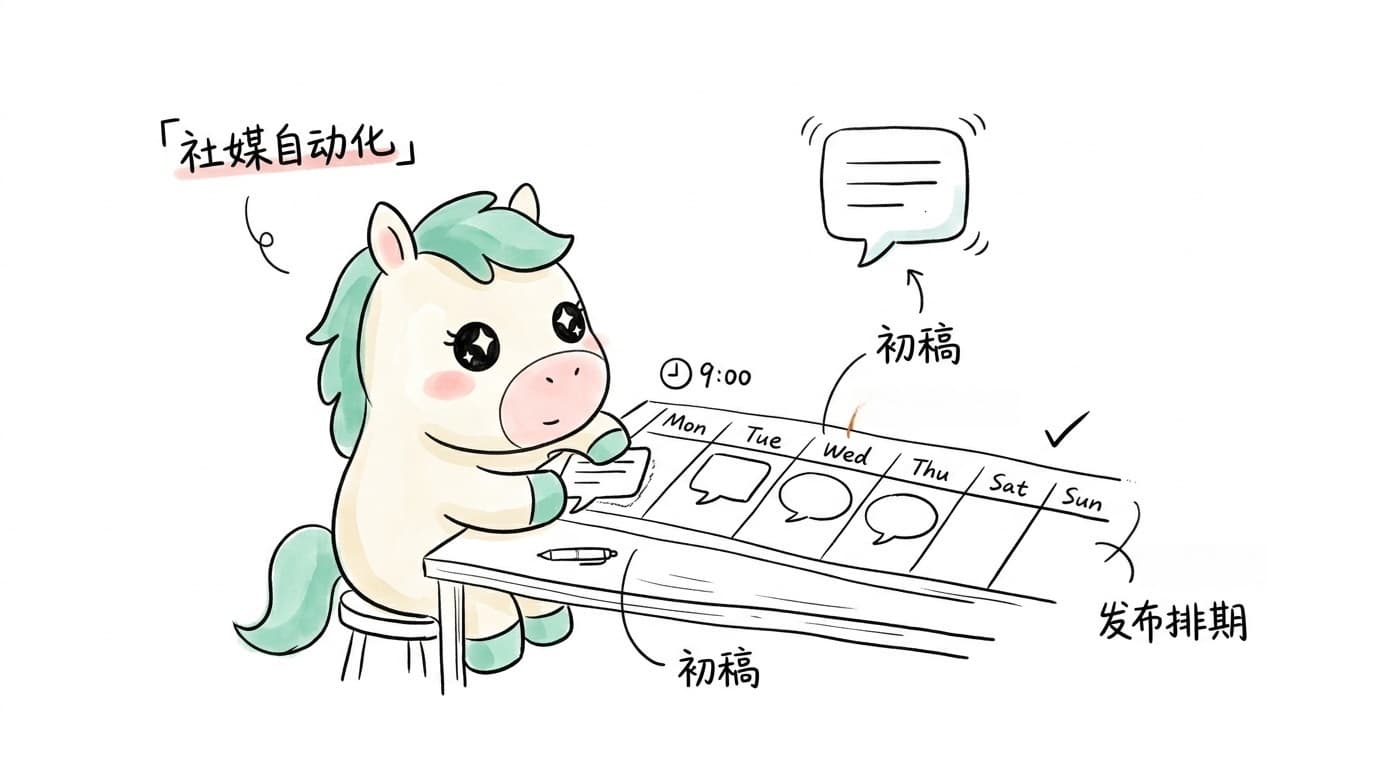
An AI content publishing automation agent drafts posts in an established brand voice and schedules them, leaving the marketing team to just glance at the headline before it goes out, nod or tweak one word. This is already fairly common practice inside Marketing teams, and the core value isn't replacing creative work, it's offloading the repetitive drafting and scheduling so people can focus on the review step that actually needs judgment.
All six of these workflows share one design principle: the agent's job is to compress the workload from needing constant attention down to the occasional nod, not to take the judgment call away entirely.
6. Agents on standby in customer service and operations
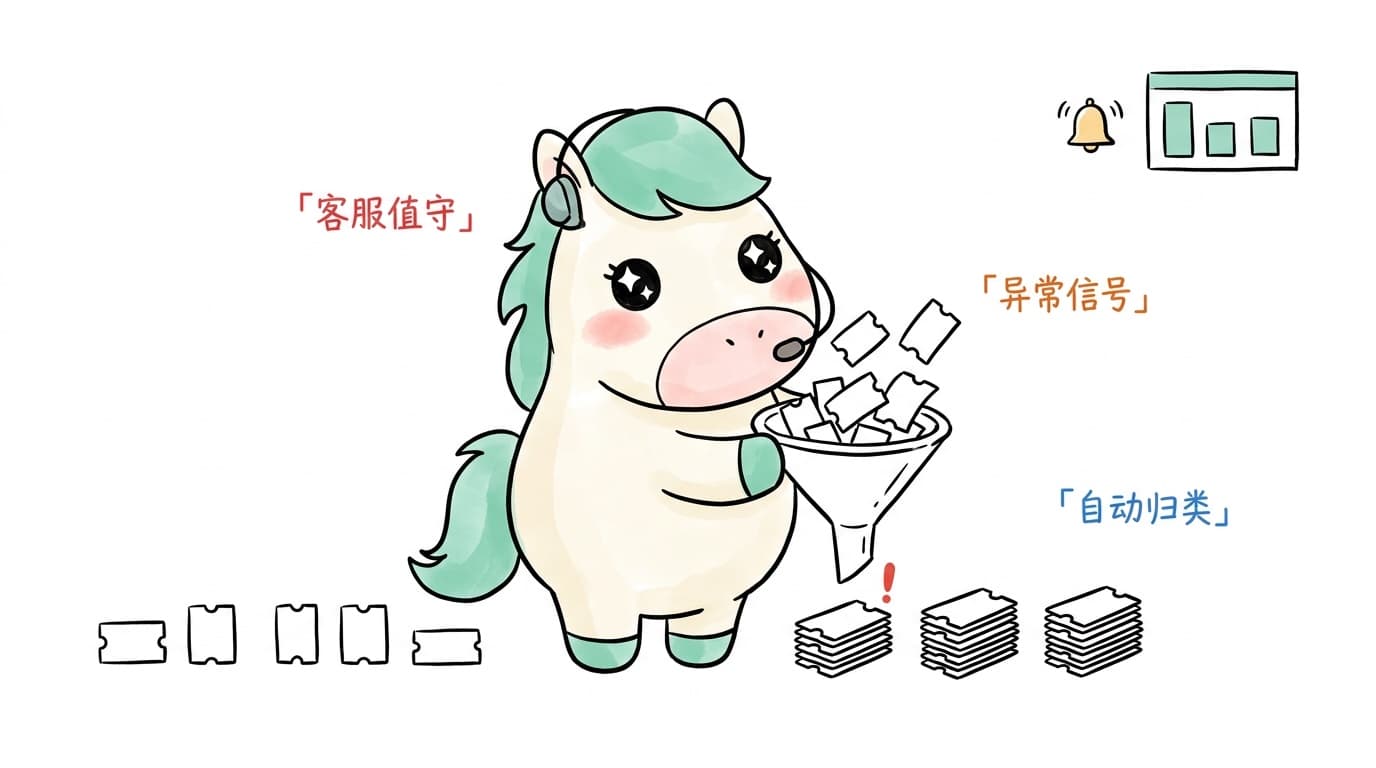
In Customer Service settings, an agent continuously monitors the ticket queue and feedback for anomalies, say the same issue getting raised by multiple customers in a short window, and proactively categorizes it and drafts a handling suggestion instead of waiting for a human to spot the pattern. What all six of these workflows share is that none of them need a human watching the whole time, all of them let an agent run continuously in the background and interrupt a person only when a real decision condition actually fires.
For a small or medium business looking to put this kind of automation in place, it's usually more practical to adopt an AI agent orchestration platform that's already packaged these capabilities than to build an entire agent infrastructure from scratch, keeping engineering cost low and concentrating effort on defining exactly what each agent should do. A practical starting point is picking the one scenario, out of the six, that's most directly tied to the business and carries the lowest risk, running it as a pilot, and only deciding whether to expand to a second scenario after a month of stable operation, rather than rolling out all six workflows at once.