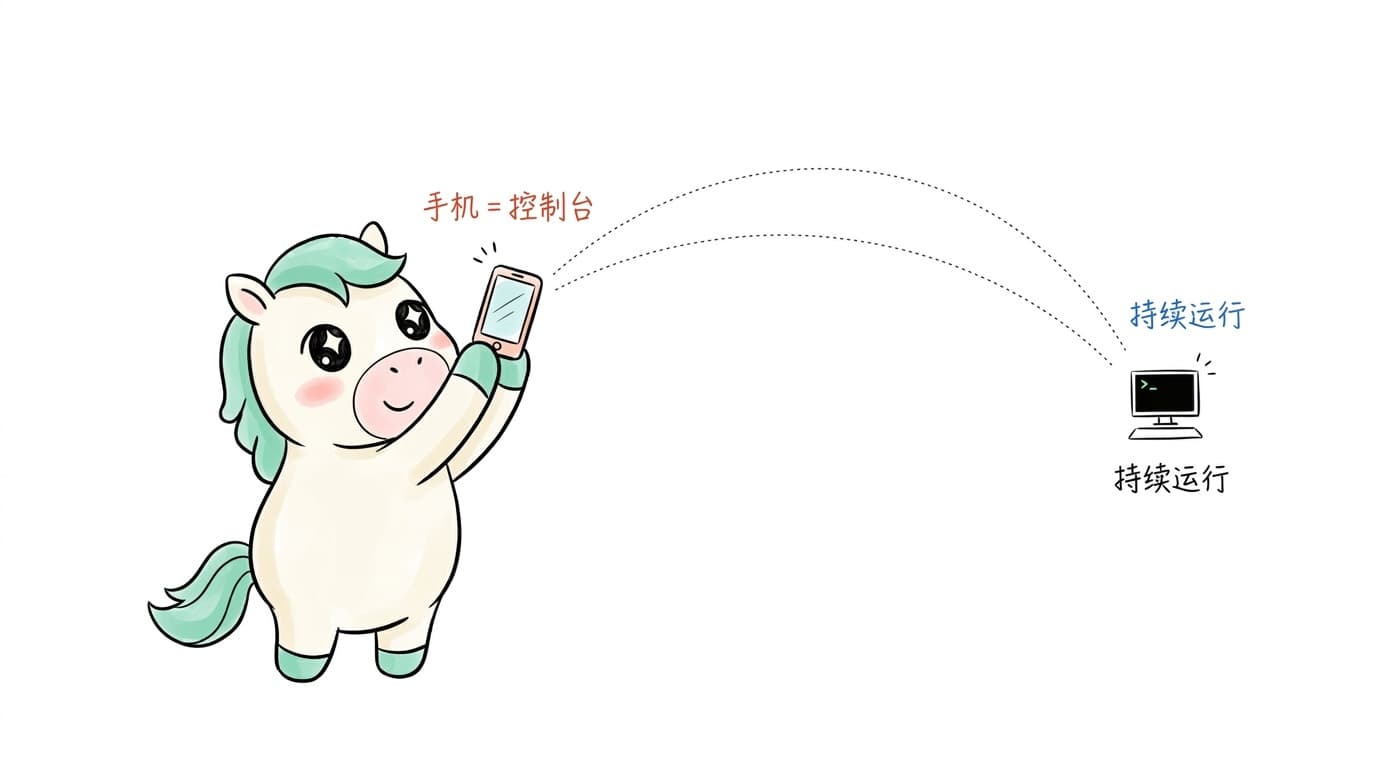
By 2026, there's a clear answer to what a mobile AI agent can actually do: Claude Code on your phone and Codex on your phone let you scan a code to take over a locally running task at any time, or start a brand-new session on an idle machine straight from your phone. This marks the first time coding agents have genuinely decoupled a continuously running task from the need for a human glued to a screen, and the same logic quickly extended beyond coding to any long-running agent task that occasionally needs human judgment.
This shift matters not just for convenience, but because it overturns a long-standing default assumption: that a human has to be present while an agent works. For years, almost every way of using a coding agent carried that assumption implicitly, you'd open a terminal, kick off a task, and sit there waiting for the result, and stepping away meant losing touch with it. The arrival of mobile support is the first real break from that assumption.
What an Agent Loop and a harness actually are
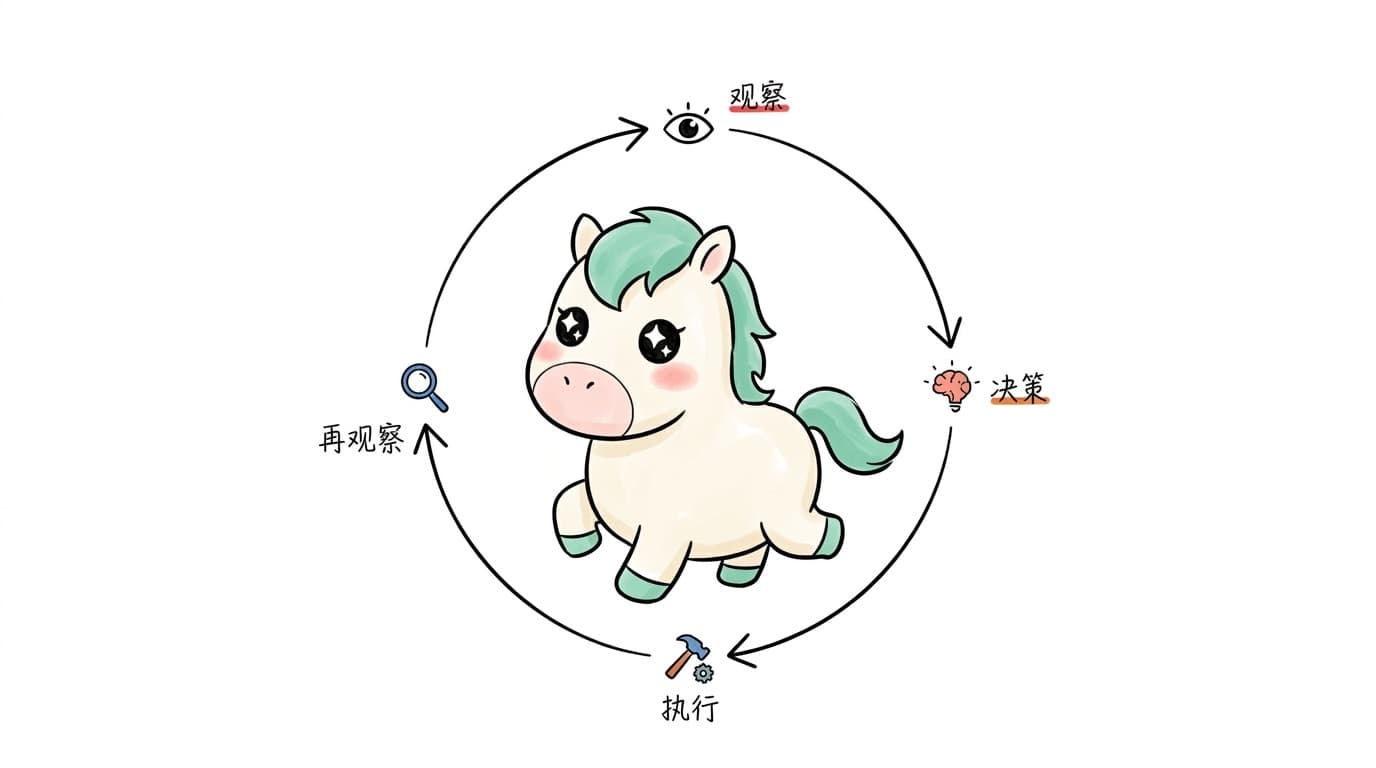
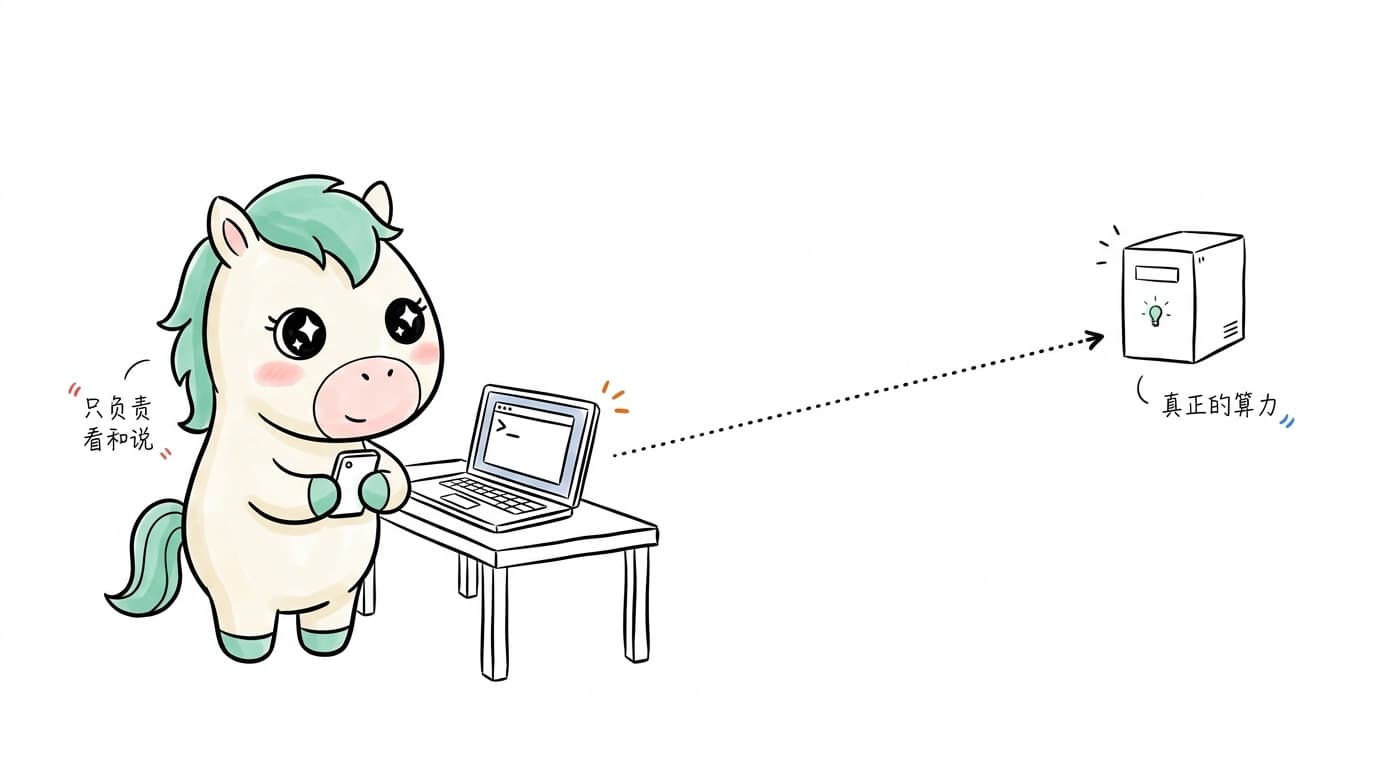
Understanding phone-based agents starts with two basic concepts. An Agent Loop is the cycle where a model continuously observes its environment, makes a decision, takes an action, then observes the result again, rather than a single question-and-answer exchange. A harness is the outer system that hosts that loop, calling tools, managing permissions, and logging activity, and Claude Code and Codex are both, at their core, coding agents running on top of their own respective harness. What a phone actually does is move the harness's control panel onto your phone, the agent's real execution environment keeps running on your computer or server the whole time, your phone just becomes an additional window you can step into whenever you need to.
Understanding this matters because it explains why a phone-based agent doesn't need much on-device compute at all. The phone is really just a thin client, displaying logs the harness produces, capturing your instructions, and relaying them back to the machine that's actually executing the task. The compute-heavy inference work always happens where it was already happening. That's also why this architecture holds up well on both responsiveness and battery life, the phone barely carries any of the computational load.
Hermes Agent and the reality of cross-vendor collaboration
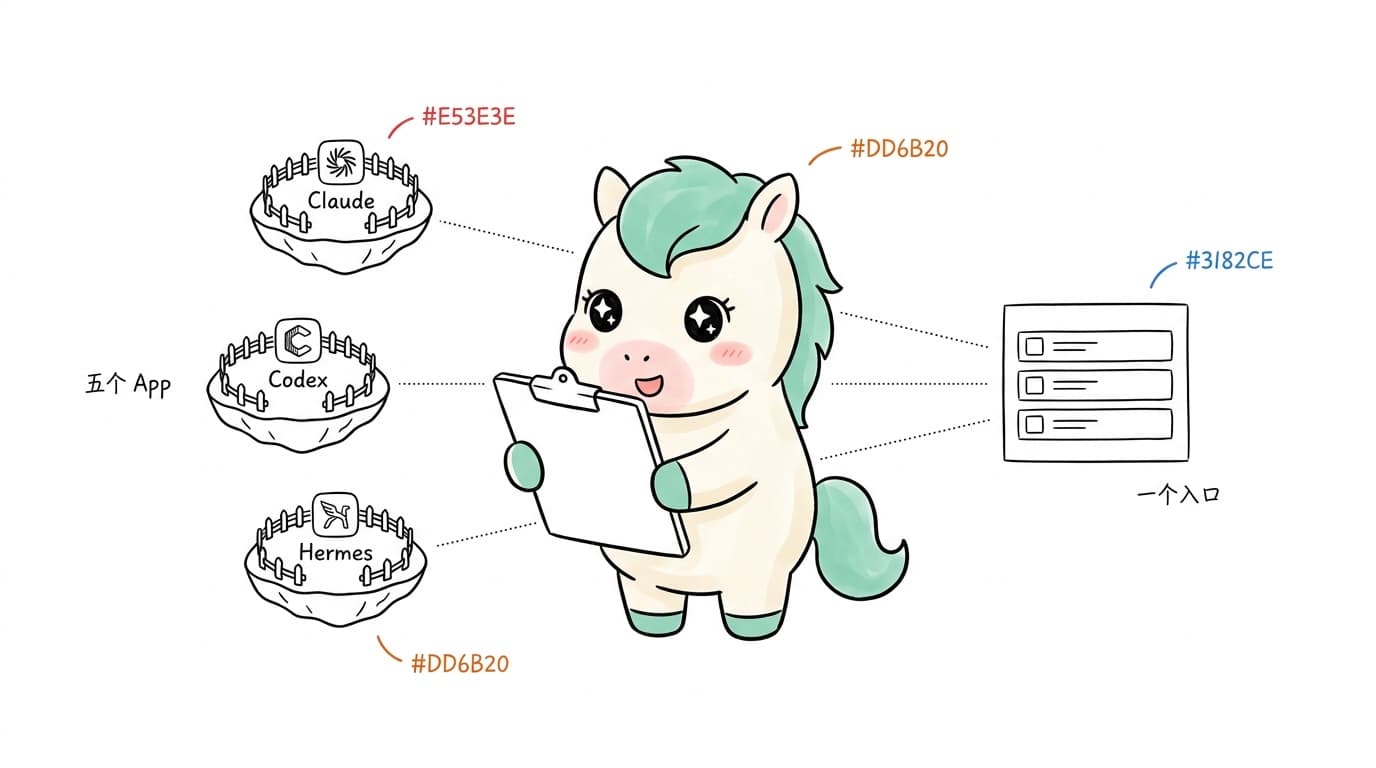
Beyond Claude Code and Codex, Hermes Agent on your phone represents a different approach: instead of staying tethered to a single vendor's ecosystem, it aims to be an entry point that manages multiple different models and harnesses as one cross-device AI agent system. The practical significance here is that most official remote-control solutions today stay locked to their own ecosystem, Claude's solution serves Claude Code, Codex's solution serves Codex, with no unified dashboard to run AI agents from your phone across either one. A genuinely useful AI agent on your phone setup should let you see multiple tasks, running on different models and different devices, from the very same screen.
Single-vendor remote control answers whether you can see a task from your phone at all. A unified cross-vendor entry point answers whether you have to bounce between five different apps just to see the whole picture.
MCP + A2A
The maturing of the Model Context Protocol and the Agent2Agent protocol gives agents from different vendors, for the first time, the ability to discover and call each other. That's the protocol-layer foundation that makes a genuine multi-platform AI assistant experience possible.
The real liberation isn't being able to type on a phone
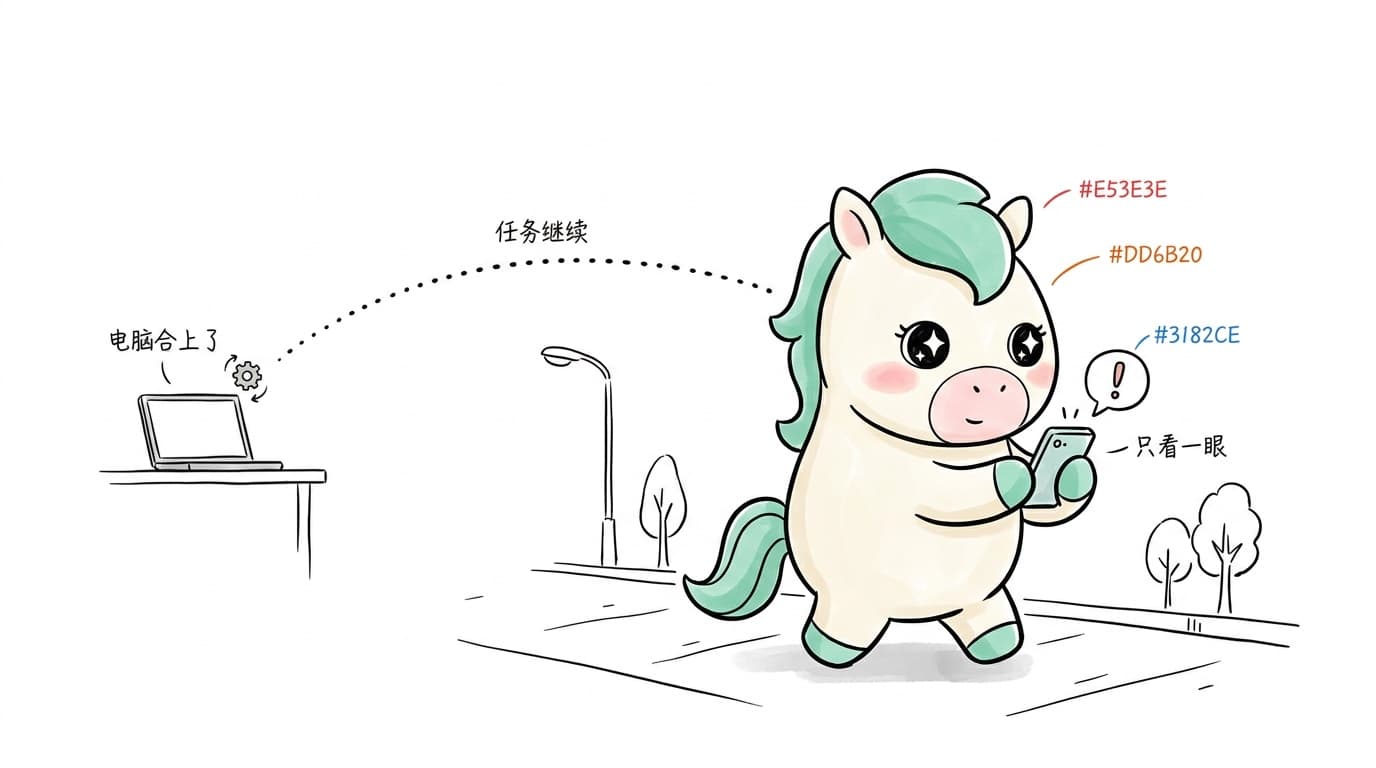
Most people seeing Claude Code or Codex on their phone for the first time assume the point is being able to write code on a phone, but that's a misread, typing code on a phone screen never feels better than on a laptop. The real productivity leap comes from asynchronous notifications replacing the act of sitting and watching an agent work: you start a task on your computer, close the lid, go to a meeting, and when the agent hits a point that needs your judgment, your phone buzzes, you open it, review, tap approve, and it keeps going.
The same logic is spreading well beyond coding

This asynchronous collaboration pattern extends naturally well beyond coding: a competitor-monitoring agent runs continuously in the background and only pings you when it spots something unusual, a contract-review agent batch-scans files and only needs your signature on high-risk clauses, a social-scheduling agent drafts a post and just waits for you to glance at the headline before it goes out. What these scenarios share is that the task itself can run continuously for a long time, while human involvement compresses down to a handful of decisive nods. That's the actual value behind running AI agents from your phone, and it's the dividing line between mobile agents being a novelty for programmers and becoming a daily tool for every knowledge worker.