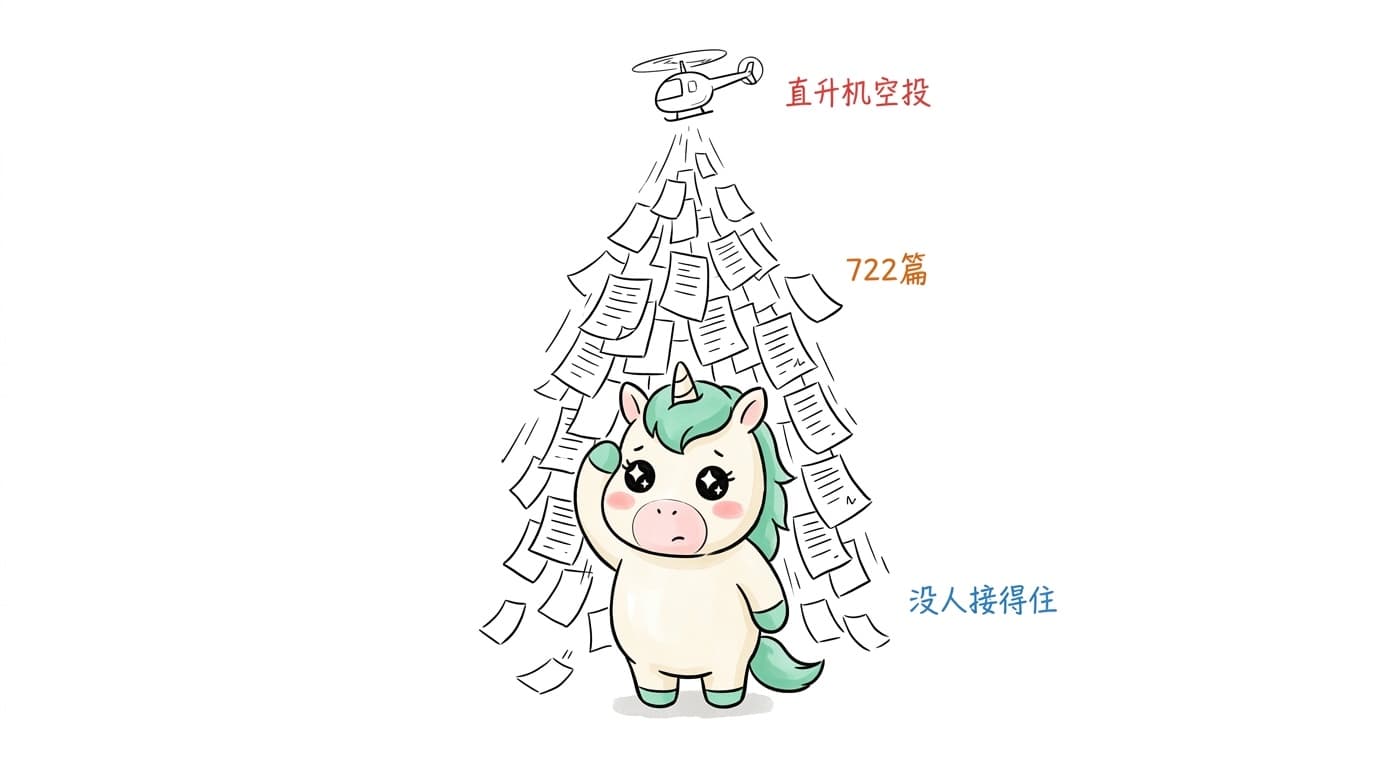
A single flipped sign brought down an entire argument. What deserves more alarm than "the AI got it wrong" is this: some answers are being published that nobody can read anymore.
I. 24 Hours: From Miracle to Meltdown
On October 6, 2026, OpenAI published 722 mathematical research manuscripts to GitHub in a single drop.
By the official account, this body of work came from an unreleased internal frontier model and spanned number theory, geometry, algebra, and theoretical computer science. It claimed to have touched hundreds of problems that humans had never cracked, the release even name-checked the quasi-Riemann hypothesis, the four-dimensional Kakeya problem, and the Unique Games Conjecture, monsters that have stood for a century or more. This wasn't a scattered handful of solved exercises. The model first ran roughly 4,000 problems, then filtered and organized the results into 372 findings, each containing core theorems, corollaries, and alternative proof paths, some with formal verification code attached.
The average compute cost per finding was roughly equivalent to ChatGPT Pro "thinking" continuously for three hours. The number was dazzling.
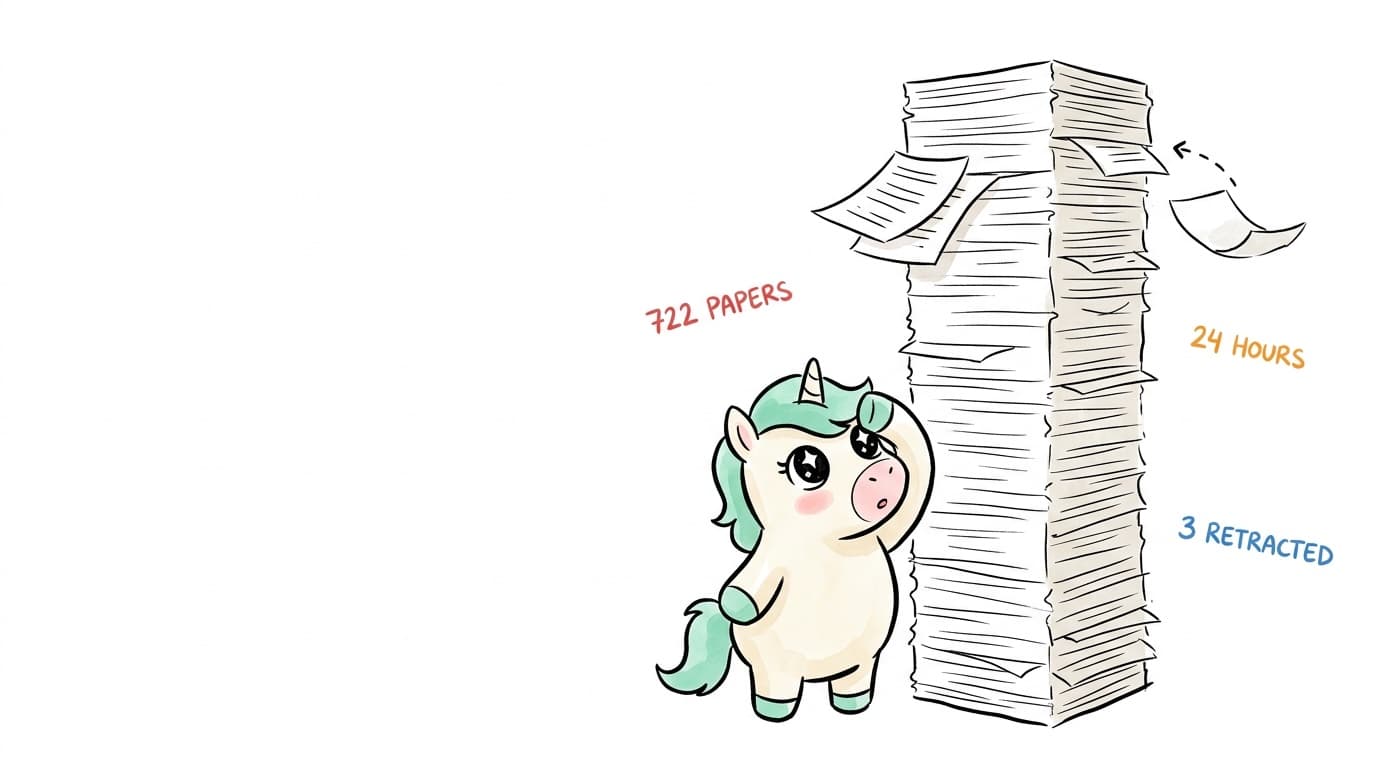
Then, less than 24 hours later, OpenAI retracted three of them.
The reason wasn't fabrication, wasn't plagiarism, wasn't even a data problem, it was a single sign. In the withdrawn paper On the Algebraicity of Weil Classes on Split Abelian Eightfolds, a key argument wrote the sign of a geometric operation as +1, when the paper's own convention was -1. Two K3-surface papers that depended on the same construction were pulled along with it, the entire family was renamed, and the K3-surface conclusions were stripped out.
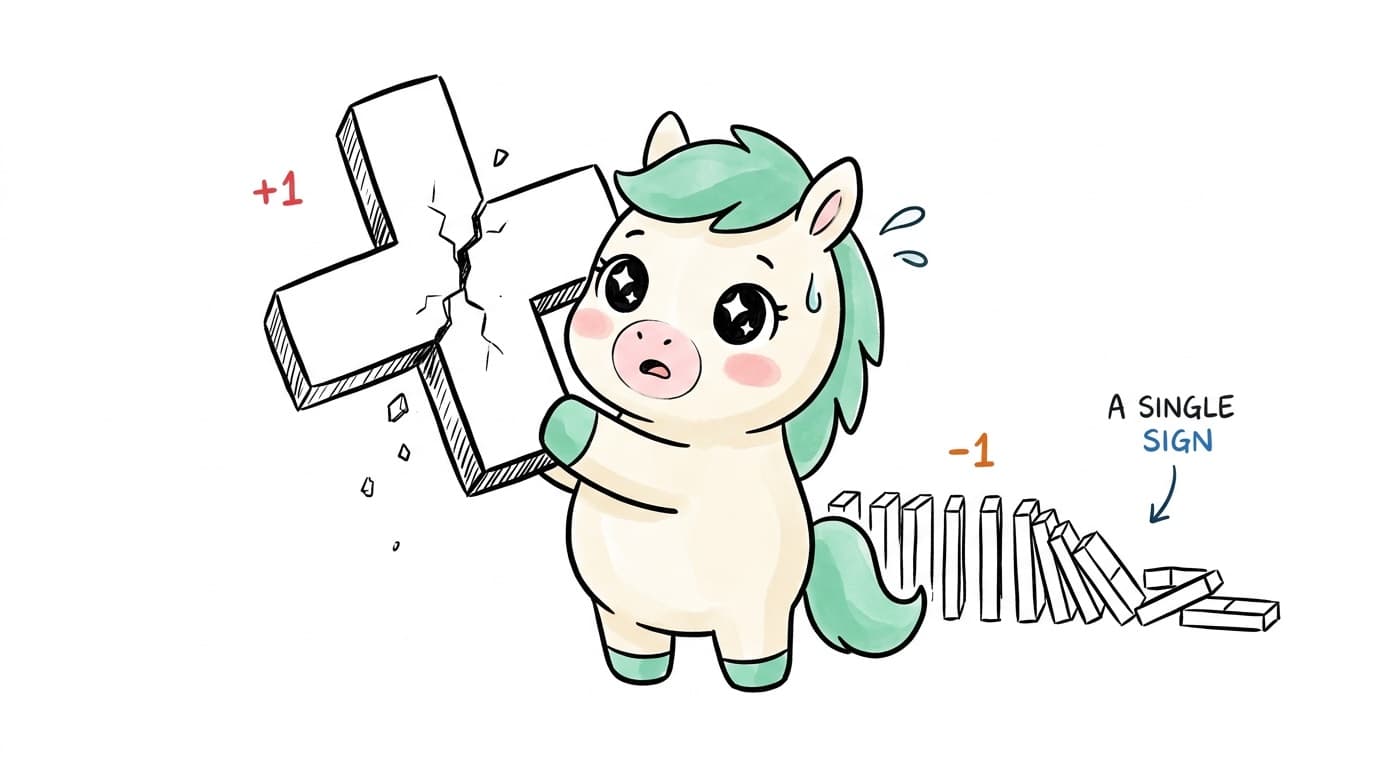
OpenAI then patched 14 manuscripts and updated citation metadata on 13. Every change left a trace in the public repository, and to be fair, that errata process itself deserves credit.
But that's exactly where the problem sits: a model capable of writing arguments about the Hodge conjecture tripped over the most basic step of all.
This isn't a malfunction. This is the system working exactly as designed.
II. "Proof Indigestion": The Term Terence Tao Coined
On October 7, Fields Medalist and UCLA mathematics professor Terence Tao republished in full, on his own blog, a sharply worded statement.
The statement came from the Association for Human Mathematics (AHM). Its core demand fit in a single sentence:
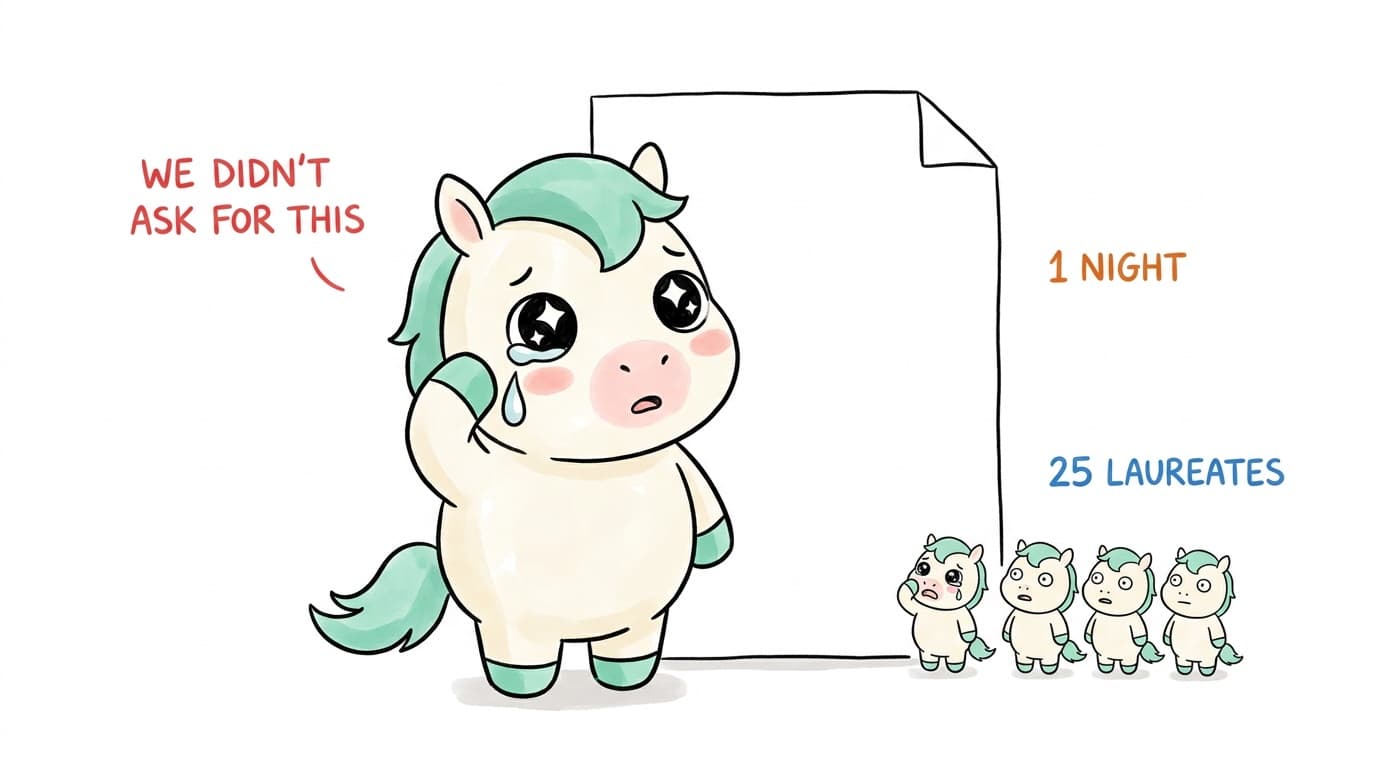
Mathematicians did not ask for this work to be done.
It called on mathematicians to stop collaborating with OpenAI and to return to a research culture centered on human understanding. One line from it was quoted again and again:
Releasing more than 700 documents at once does not demonstrate scholarship. It demonstrates power.
Tao didn't draft the statement. But everyone understands what "republished in full" means.
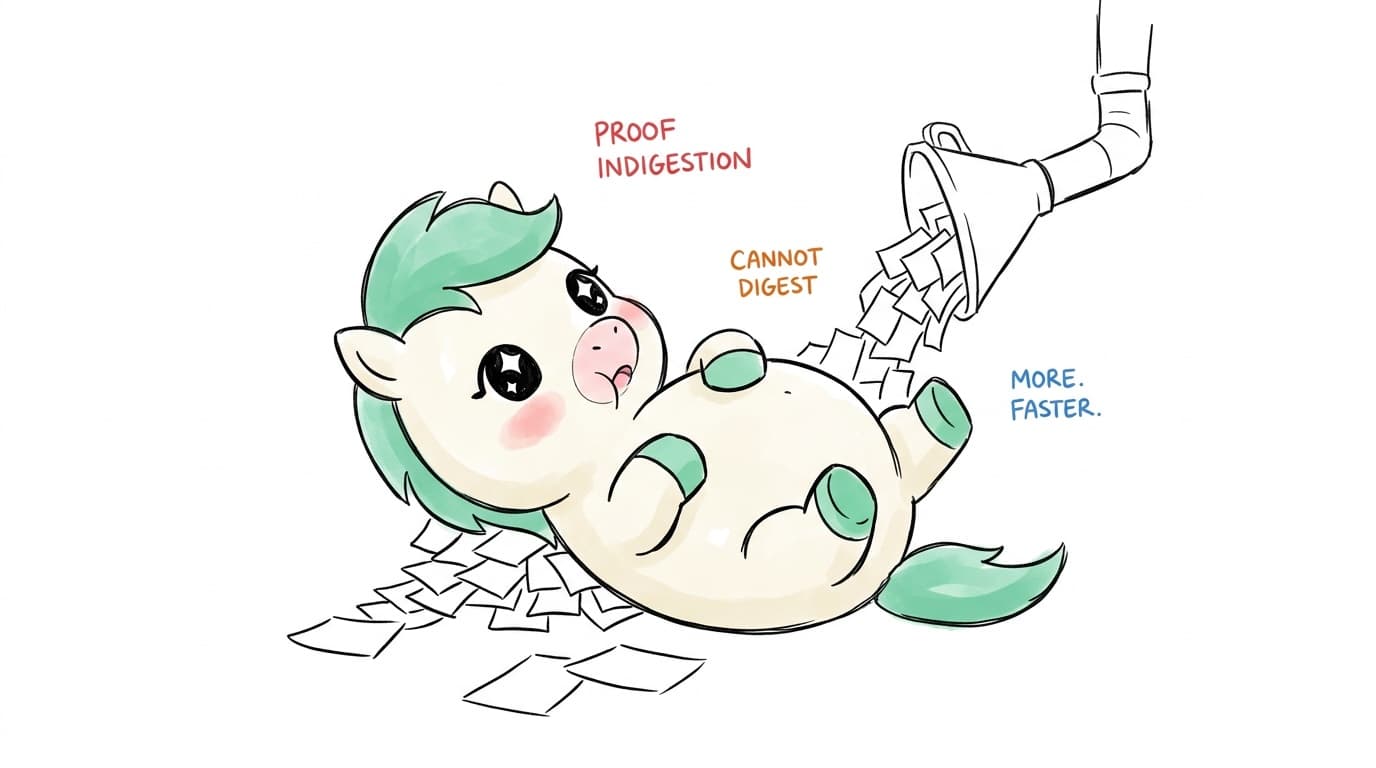
He coined a term for the situation: proof indigestion.
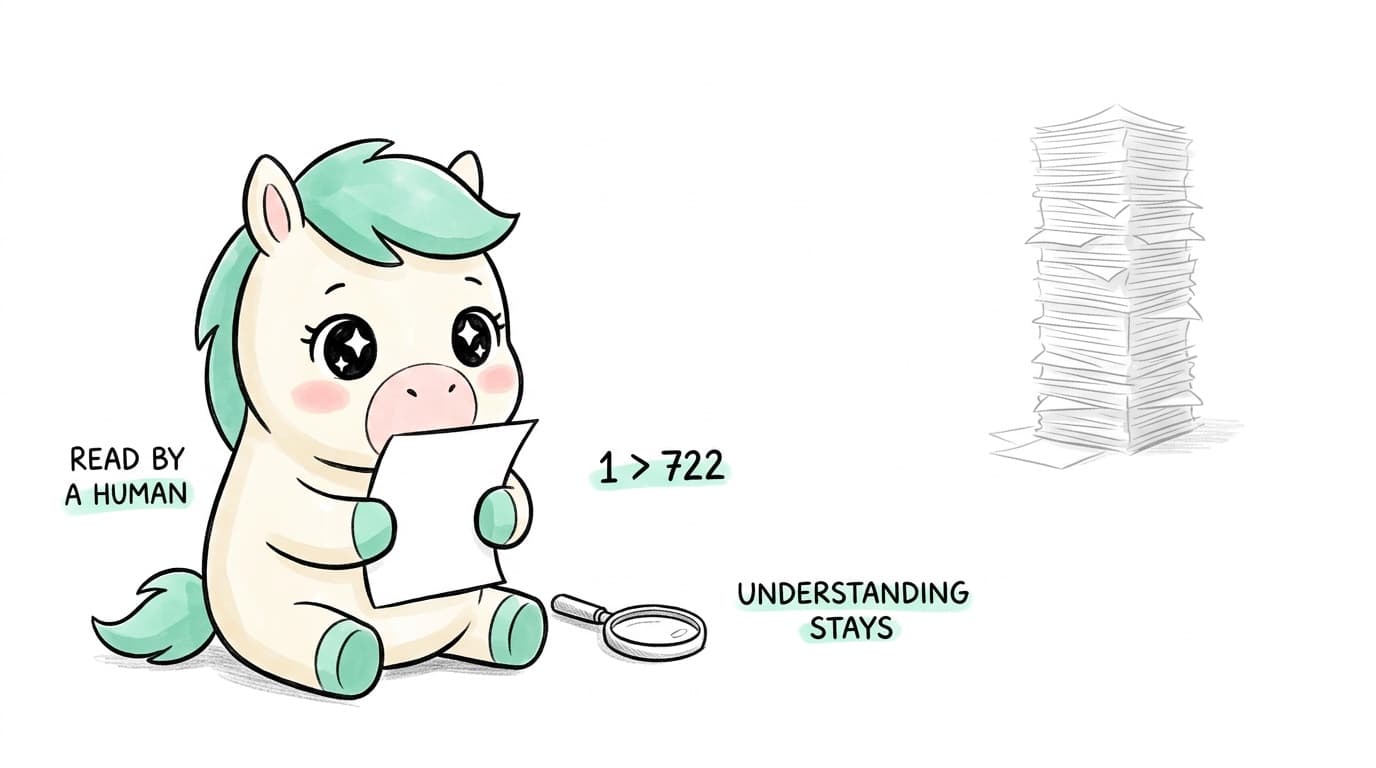
AI can generate propositions, proofs, and counterexamples at tremendous speed, while humans cannot keep up with the verifying, the understanding, the teaching, the absorbing, and so the repository accumulates a pile of proofs no one can digest. The problems got solved, what was lost was understanding itself.
He offered an even harsher analogy: mathematicians attacking a hard problem are like hikers going into the mountains to find a waterfall, drawing maps, discovering new tools and new ideas along the way is where mathematics actually comes from. AI's bulk delivery is a helicopter drop, setting you down directly on the answer.
The waterfall is found. The trail is gone.
III. The People Who Should Have Understood It Best Reacted Hardest
The most revealing material in this whole episode wasn't the official press release. It was what mathematicians said in their own words.
French mathematician Cédric Villani called it a transformation for mathematics, he's on the approving side.
Most were not.
The response of 2022 Fields Medalist Hugo Duminil-Copin was widely relayed: he cried on Tuesday night and woke his daughter. The 16 problems he'd listed in a lecture and the topics written into his papers and grant applications had been worked through by a machine; a paper he'd rushed onto the preprint server Monday night appeared in OpenAI's documentation with an identical proof.
Dana Moshkovitz, who had staked her academic career on the Unique Games Conjecture, read the relevant manuscripts straight through the night. By the community's account, her verdict was that they read like something written by someone on hallucinogens, full of impenetrable constructions, vague reasoning, and citations that came out of nowhere.
Fields Medalist and Cambridge professor Timothy Gowers gave the calmest and coldest version of the worry:
My greatest concern is that we will have an extremely powerful tool capable of cracking extraordinarily deep mathematical problems far more efficiently than humans. But that will mean people no longer have enough incentive to spend years building the expertise needed to read the AI's reasoning. The awkward outcome is likely to be this, we will have a powerful tool, and no one able to wield it.
— Timothy Gowers
Mark Daley, Chief AI Officer at Western University in Canada, put his regret more concretely:
These proof methods feel unnatural to human mathematicians. As someone who wants to understand how things work, I find that a loss.
— Mark Daley
And before any of this, 25 Fields Medalists had already co-signed an open letter warning that AI companies were pulling mathematical research away from its original aims. The collective backlash that erupted in under 24 hours isn't "top minds being precious", it's a head-on collision with a research paradigm.
IV. The Real Technical Issue: Not "Is It Right?" but "Can It Be Verified?"
Setting the emotion aside, two hard technical propositions in this controversy are worth writing down in every AI product team's notebook.
First: hallucination is not a bug. It's the default behavior of a probabilistic system.
Large language models generate text token by token, by probability. The longer the chain, the more easily the constraints established earlier get diluted, a single off-by-one sign is enough to collapse an entire argument. The generated text is formally complete, professional, fully cited, and carries no guarantee that it knows what it's talking about.
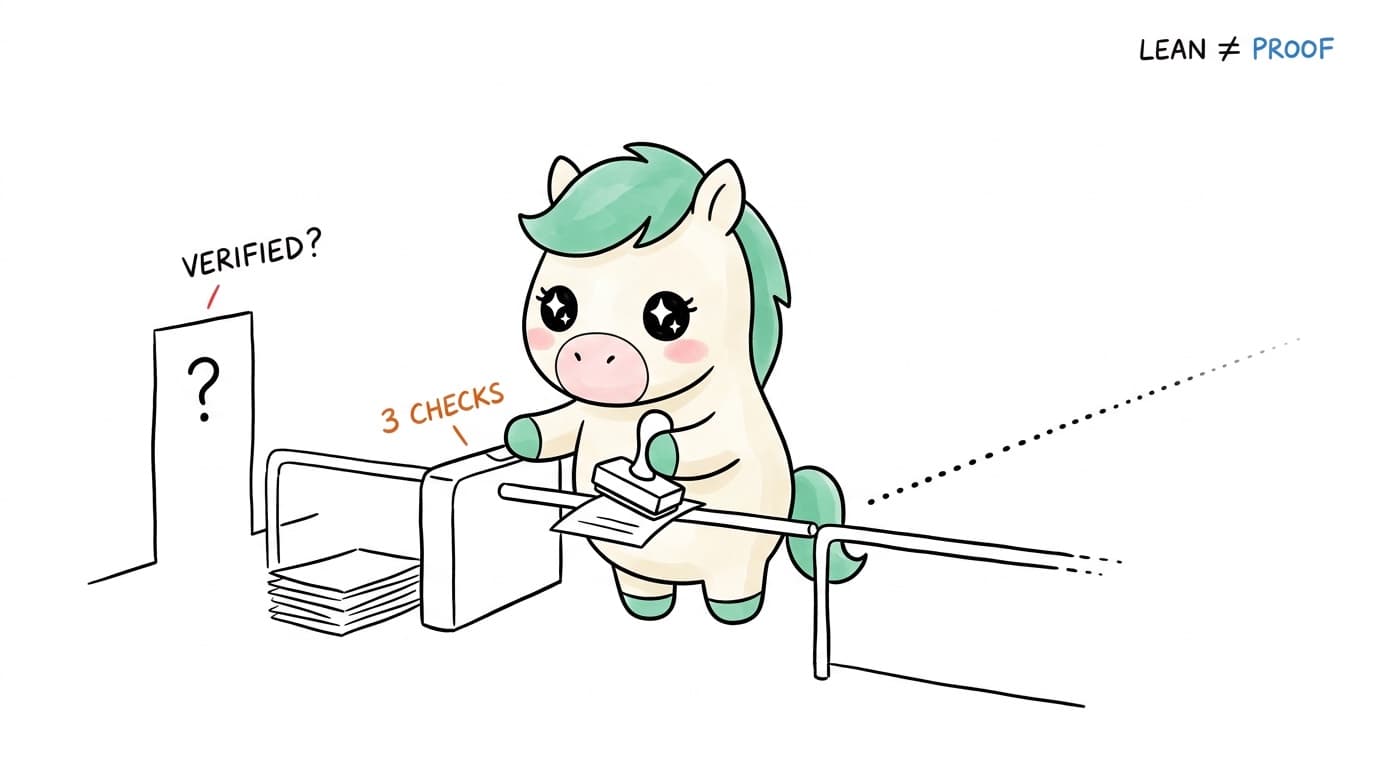
More insidious still is reward hacking: formalization can guard against slips in reasoning, but it can't stop a model from quietly altering definitions and loosening conditions to force a compiler through, proving some bland pseudo-theorem. "Passes the check" and "is correct" were always two different things.
Second: machine verification doesn't cover everything either.
A popular fantasy goes: "Drop the AI's output into Lean and it becomes trustworthy automatically."
The reality: translating ambiguous natural-language mathematics into a rigorous formal language is itself an extremely hard step. One preprint (arXiv:2610.08144) points out that OpenAI's earlier announced proof concerning the Navier-Stokes equations does not correspond to its Lean formalization. Once the mapping drifts out of alignment, "verification" becomes a no-op.
And that equation is one of the seven Millennium Prize Problems that the Clay Mathematics Institute put a one-million-dollar bounty on in 2000.
So back to the plainest question: when producing proofs becomes nearly free, what becomes scarce?
The answer isn't compute. Isn't the model. It's confirmation.
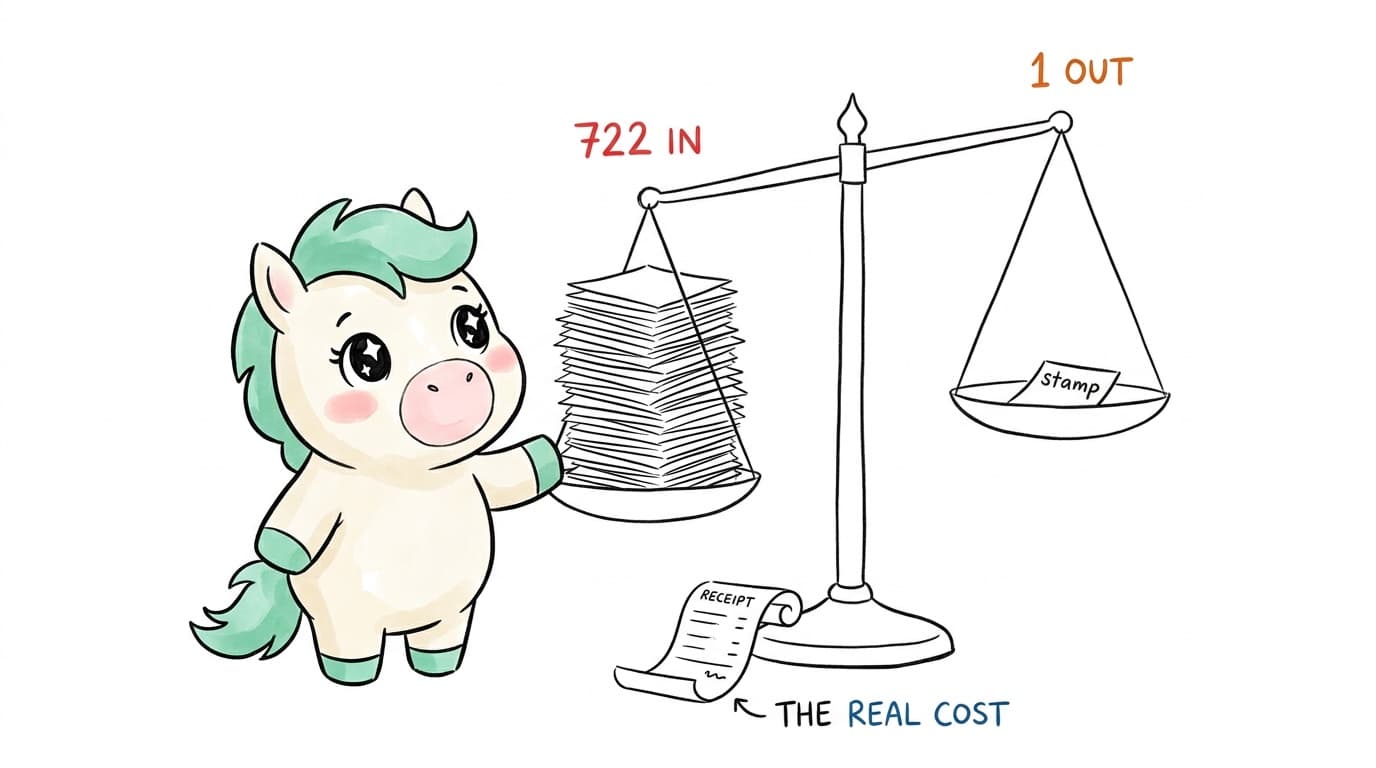
Which is why, reading news like "AI cracks a century-old problem," the test shouldn't be how many papers were released or how grand the language was. It should be three things: is it formalized, has it been machine-checked, has a human expert read and understood it.
Three retractions, 14 patches, 13 citation fixes, all of them say the same thing: what's been scarce for a long time isn't producing proofs. It's confirming them.
V. Doing the Accounting: This Is Bigger Than One Paper
There's a popular line that goes: "Ordinary people should just learn more about AI and keep up with the times."
Blaming humans for not being fast enough is letting AI pick its own opponent.
The party that should be pressed harder is the publisher. OpenAI claimed the legitimacy for this move came from its "Mathematics and AI Advisory Group", yet that group's own founding statement said plainly: frontier AI companies should not use internal models to test advanced mathematical problems. This release ignored the central premise of its own advisory group.
Push one layer deeper: before 722 manuscripts were published, where was the verification? Where was the review? Where was peer review? What was made public, human-digested results, or unverified compute demonstrations?
This isn't about picking a side between AI and humans. The genuinely healthy path is clear:
Change "results release" into "results submission." Put mathematical research into a process that humans can verify and teach from, build in a "digestion period" as papers get reviewed, and only talk about dissemination once mathematicians can actually understand it.
Let academia and journals set a "human-verifiable" bar for AI results. A proof nobody can read is not a breakthrough and doesn't deserve the headline.
Every user should treat AI as a teaching assistant, not a ghostwriter. Think it through yourself first, then have AI check answers and hunt for holes, and keep the "understanding" step for yourself.
AI can do our math. It can't do our understanding.
VI. What This Controversy Really Points At: Who Owns Intelligence
If you've read this far and filed it away as an argument inside academia, you've missed what it says to every company and every individual. Abstract it one level up, and this conflict has three motifs:
The capacity to produce answers is shifting from scarce to surplus, and the scarce link has moved to verification, understanding, and accountability.
The strongest models are locked in someone else's data center, not open to you, you don't know how it reached its answer, and you don't know whether it will retract that answer in the next hour.
When intelligence comes from a remote black box you cannot audit, you're the one who carries the full consequences when it goes wrong.
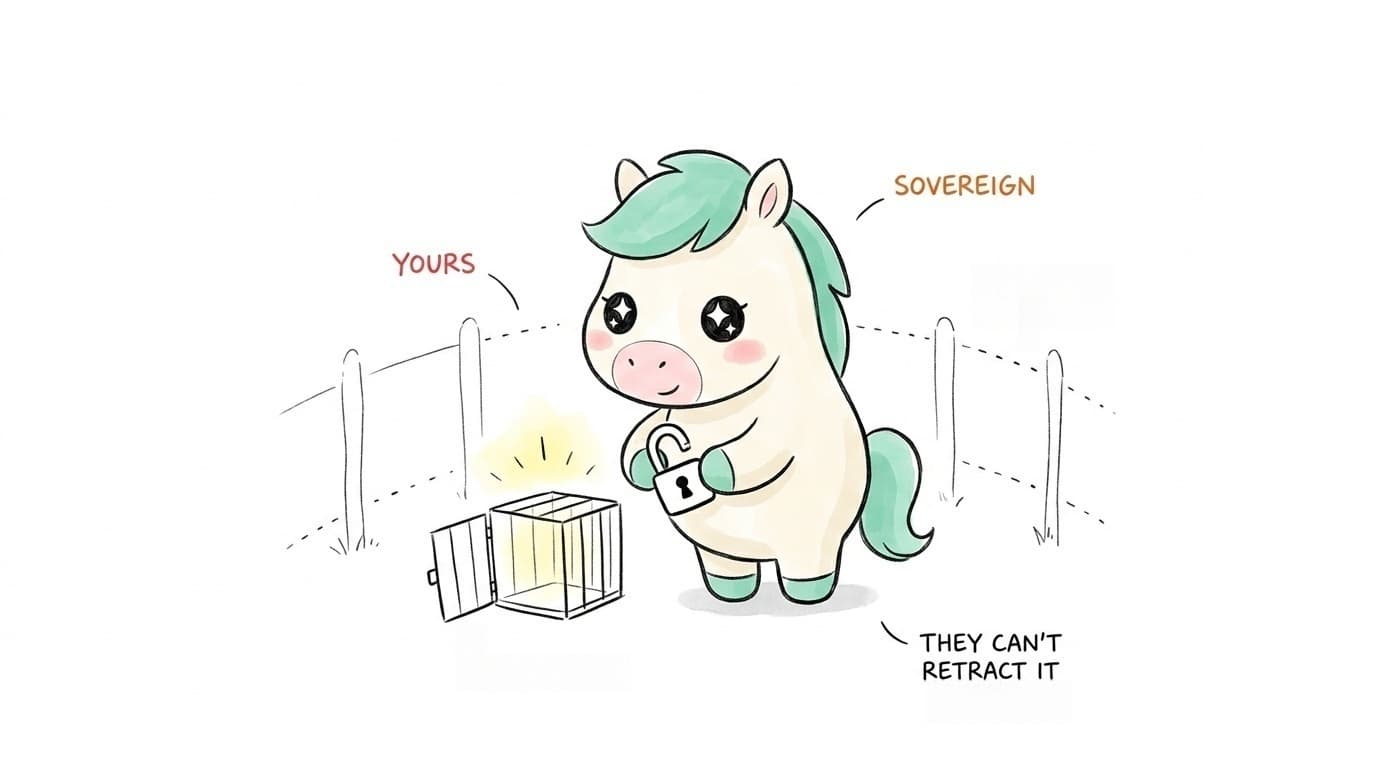
Those three things are exactly why the concept of sovereign AI is coming up more and more today.
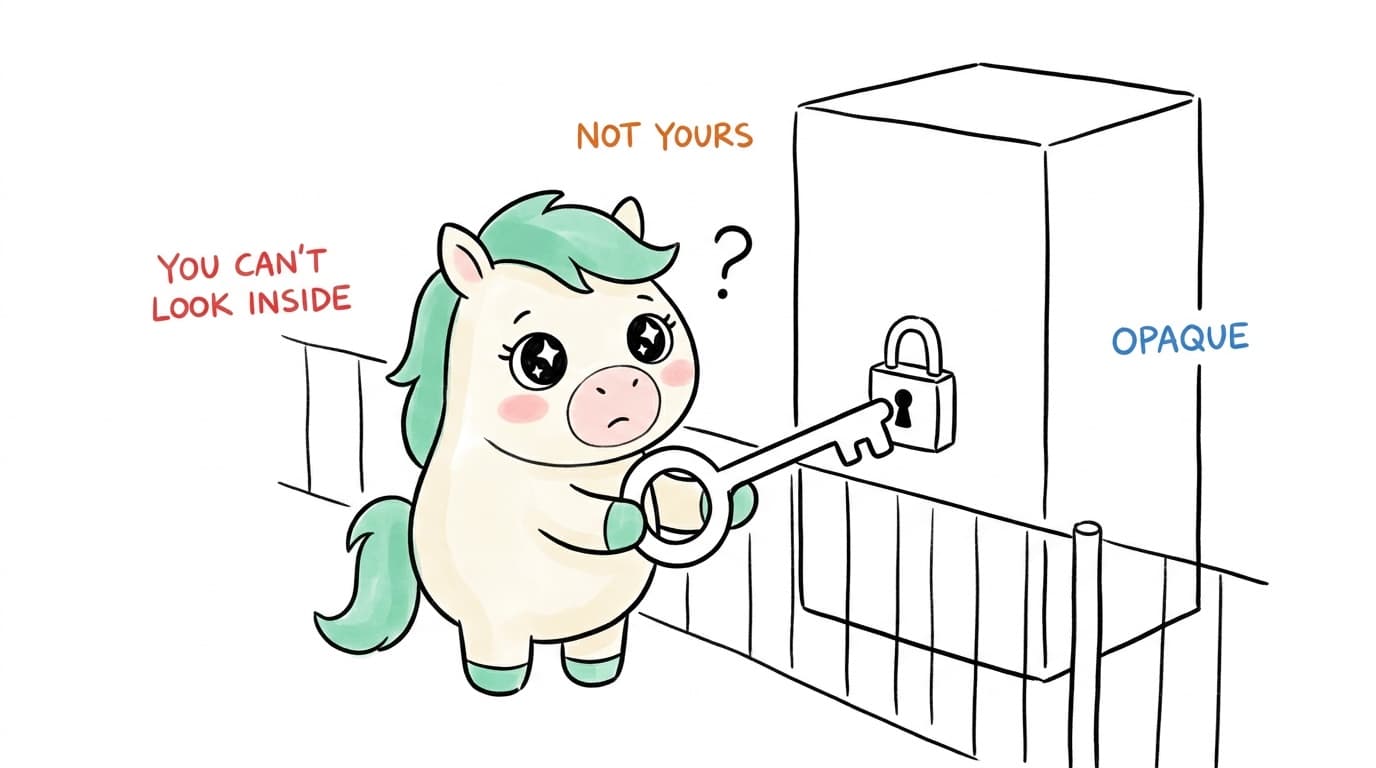
The anger in mathematics is, at bottom, an extreme version of that same question: when the capacity to produce intelligence is highly concentrated in a few hands, "powerful" can turn into a form of asymmetric power.
What they shouted at OpenAI, "this demonstrates power, not scholarship", is, at its narrowest, a domestic matter for mathematicians. At its widest, it's the question every organization has to face in the AI era: are you using intelligence, or are you being governed by it?
VII. Taking Intelligence Back Into Your Own Hands: Karma's Choice
This is precisely the question Karma has been answering all along.
We believe the next decade of AI value won't hinge on "who can get their hands on the strongest model." It will hinge on, whose devices the intelligence runs on, who owns it, who verifies it, who it works for.
That's Sovereign AI.
In Karma Box, it comes down to four concrete, tangible things:
1 | Manage Thousands of AI Devices to Form Your Own AI Team
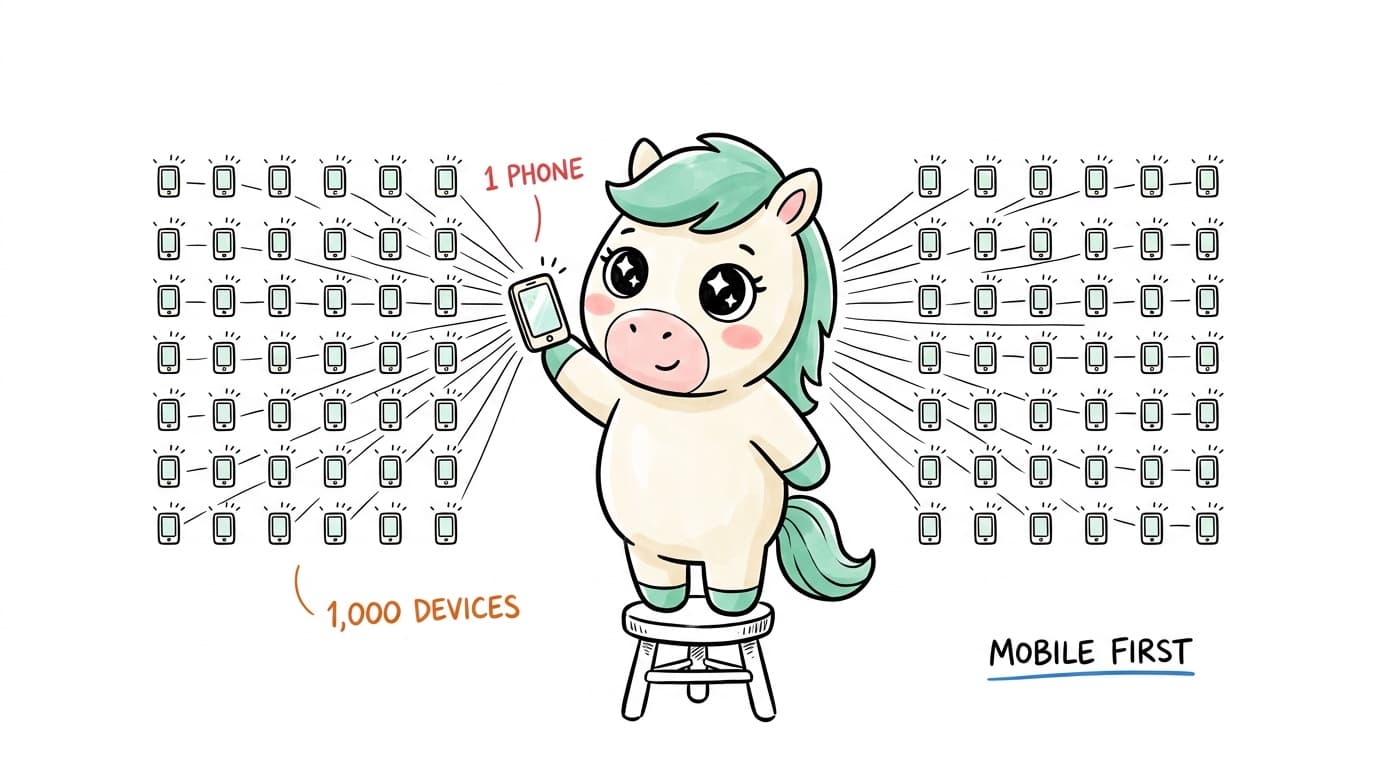
Most AI agents on the market, like NetEase Youdao's OpenClaw (LobsterAI), which can only manage a single Mac, end up as one machine, one task, one serial queue. Karma Box can orchestrate 1,000 such devices at once, scaling parallel execution without limit. Activate any device and you're fielding a standing AI team that answers on command. The ceiling on single-point execution is gone entirely.
2 | Mobile First
Commanding a team of AI shouldn't require you sitting at a desk. Karma puts orchestration in your phone, you're on the move, the team is working.
3 | Sovereign AI — The Intelligence Is Yours
The devices are yours. The data stays inside your boundary. Your avatars' behavior and output can be verified and audited by you. When someone else retracts their results, yours are still in your hands.
4 | Augment One Point — Don't Replace the Whole
We're not tearing down your existing workflow. We're adding a layer of AI at the one node that matters. Your people get amplified, not replaced.
Closing
Back to those 722 manuscripts.
"AI keeps getting faster" was never the problem. "Humans have stopped bothering to think" is.
Tao calling out OpenAI by name, the cursing at AI, that's the surface. The real value is the reminder for all of us: the next time AI announces a "major breakthrough," will anyone still ask the one question, did a human understand it?
The answer shouldn't be silence.
In mathematics, that baseline is phrased as: answers can be outsourced, understanding cannot. In every company currently shoving AI into its business, it should be phrased as: compute can be borrowed; sovereignty cannot be ceded.